
Do Fitness Apps Really Boost Your Activity Levels?


Understanding the Role of Fitness Apps
In recent years, the popularity of fitness apps has skyrocketed. These digital tools promise to help users track their workouts, monitor their health, and ultimately boost their activity levels. But do they really deliver on these promises? The answer may not be as straightforward as it seems.
Fitness apps come in all shapes and sizes, offering features ranging from step tracking to heart rate monitoring. With so many options available, it's essential to understand how these apps can fit into your personal fitness journey. While some users find them incredibly motivating, others may not experience the same benefits.
The Motivational Factor
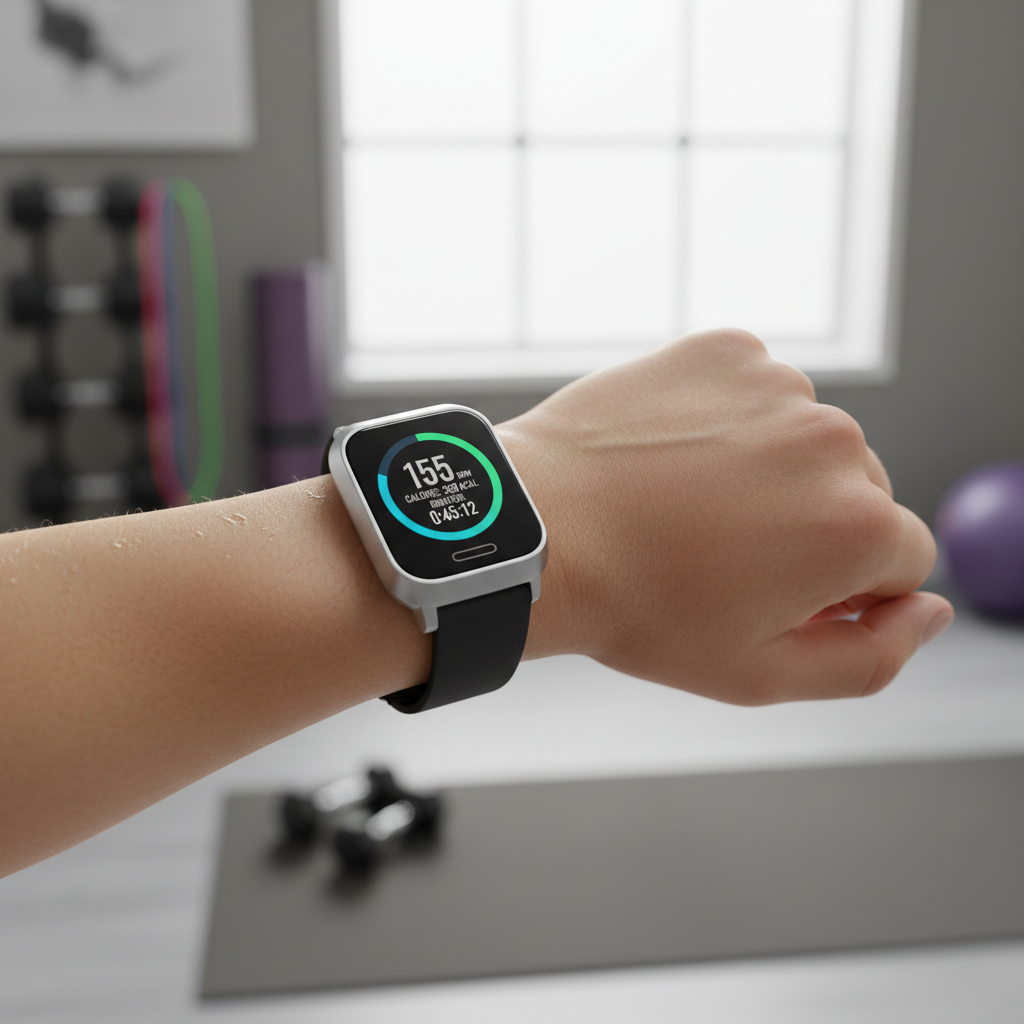
One of the most significant benefits of fitness apps is their ability to motivate users. Many apps offer gamified experiences, challenges, and rewards that encourage users to stay active. For people who thrive on competition or need external motivation, these features can be highly effective.
Moreover, seeing tangible progress through tracked data can be motivating. Watching your step count increase or your running times improve provides a sense of accomplishment. This visual feedback can be a powerful motivator to keep moving and set new goals.
Customization and Personalization
Fitness apps often allow for a high degree of customization, tailoring workouts and goals to individual needs. Whether you're a beginner or an advanced athlete, these apps can cater to your fitness level and preferences. This personalized approach can make workouts more enjoyable and sustainable.
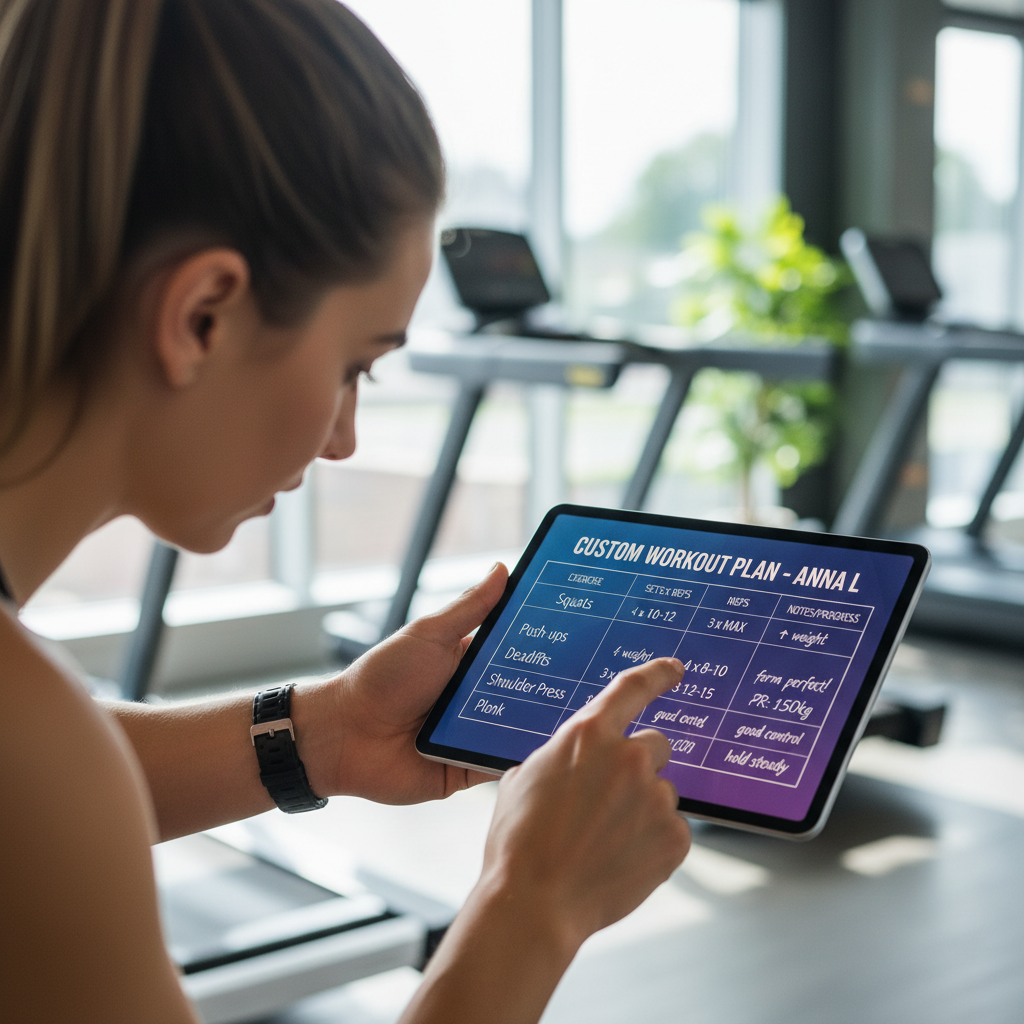
Additionally, many apps offer connectivity with wearable devices like smartwatches. This integration provides a seamless experience, allowing users to monitor their health and activity in real-time, further enhancing the personalization of their fitness regime.
Potential Pitfalls
Despite their benefits, fitness apps are not without drawbacks. Some users may become overly reliant on technology, prioritizing data over personal well-being. It's essential to remember that while data can guide your fitness journey, it shouldn't dictate it.
Another potential issue is the accuracy of the data collected. Not all apps are created equal, and some may provide inaccurate readings. Users should be cautious and verify their app's reliability before relying solely on its data for health decisions.
Finding the Right Balance
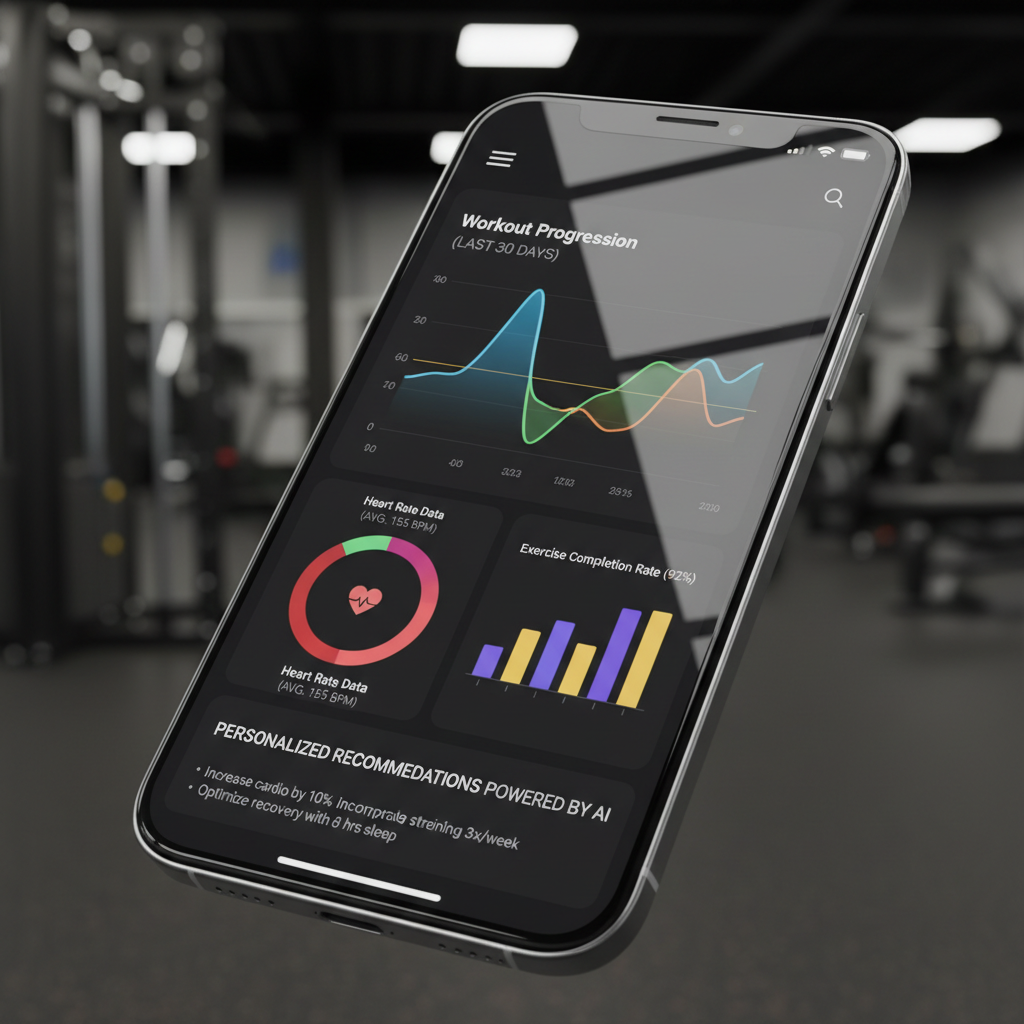
Using fitness apps effectively requires finding a balance between technology and personal intuition. It's essential to listen to your body and use the app as a tool rather than a crutch. Regularly assess your progress and adjust your goals as needed.
Ultimately, whether a fitness app boosts your activity levels depends on your personal preferences and how you integrate it into your lifestyle. For some, these apps are game-changers, while for others, they may serve as a supplementary tool in their fitness journey.
Conclusion
Fitness apps offer a plethora of opportunities to enhance your fitness journey, but their effectiveness varies from person to person. By understanding their features and limitations, you can make an informed decision on whether a fitness app is right for you. Embrace technology as a companion in your fitness journey, and you may find yourself more active and engaged than ever before.