
Do Sleep Sounds Help You Sleep? Insights from a 495-Person Trial


The Rise of Sleep Sounds
In recent years, sleep sounds have become a popular tool for those struggling with sleep issues. From white noise to nature sounds, these auditory aids are marketed as solutions to help people fall asleep faster and enjoy a deeper rest. But do they really work? A recent trial involving 495 participants sheds some light on this question.
The Study: An Overview
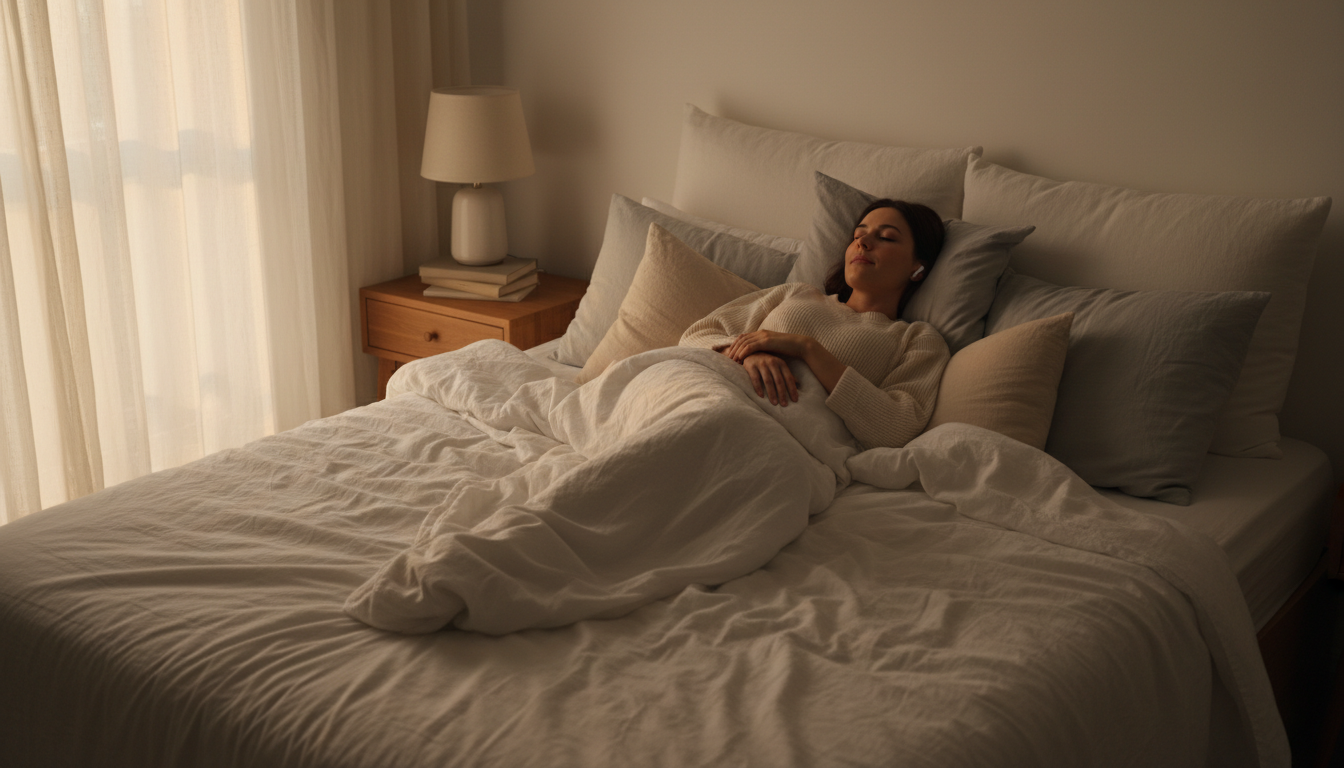
The trial aimed to evaluate the effectiveness of sleep sounds in improving sleep quality. Participants were divided into groups, each exposed to different types of sounds ranging from white noise to natural ambient noises. They used these sounds consistently over a period of one month.
Methodology
Participants were asked to maintain a sleep diary, recording the time it took them to fall asleep, the number of awakenings during the night, and their overall sleep quality. Additionally, they completed a survey at the end of the trial to provide subjective feedback on their experience.
Results: What Did Participants Experience?
The findings were intriguing. A significant number of participants reported an improvement in their sleep quality. Here are some key insights from the study:
- Fall Asleep Faster: 60% of participants noted that they fell asleep more quickly when using sleep sounds.
- Fewer Night Awakenings: 55% experienced fewer disturbances during the night.
- Better Sleep Quality: 68% reported an overall improvement in the quality of their sleep.
Types of Sounds: What Worked Best?
Interestingly, the type of sound made a difference. Natural sounds, such as rain or ocean waves, were favored by 45% of participants. White noise also had its proponents, with 35% claiming it helped them the most. Other sounds like pink noise and instrumental music were less popular but still beneficial for some.
Why Do Sleep Sounds Work?
Experts suggest that sleep sounds work by masking disruptive noises and creating a soothing environment. This can help the brain transition into a restful state more easily. Additionally, the consistent use of particular sounds can condition the brain to associate them with sleep, creating a powerful cognitive cue.
Considerations for Using Sleep Sounds
While many found sleep sounds beneficial, they are not a one-size-fits-all solution. It's important to experiment with different types to find what works best for you. Volume levels should also be adjusted to ensure they are soothing rather than distracting.
Conclusion: A Helpful Aid for Many
The trial suggests that sleep sounds can be a valuable tool for improving sleep quality for many individuals. However, as with any sleep aid, personal preference and individual responses will vary. Exploring different sound options and integrating them into your nightly routine might just be the key to a better night's sleep.