
Exploring Time-Restricted Eating for Blood Sugar Control


Understanding Time-Restricted Eating
Time-Restricted Eating (TRE) is a dietary approach where food intake is limited to a specific window each day. This practice aligns with our natural circadian rhythms, potentially offering various health benefits, including improved blood sugar control. By consuming all your meals within a set timeframe, typically 8-12 hours, you allow the body more time to rest and repair during fasting periods.
Recent studies suggest that TRE can help regulate blood sugar levels, which is crucial for those managing diabetes or prediabetes. The idea is that by reducing the time span of eating, you can prevent spikes in blood sugar and improve insulin sensitivity.

How Time-Restricted Eating Affects Blood Sugar
When you eat, your body breaks down carbohydrates into glucose, raising your blood sugar levels. Insulin is then released to help cells absorb glucose for energy. By limiting food intake to specific hours, TRE may reduce the frequency of insulin spikes, promoting more stable blood sugar throughout the day.
Research shows that TRE can potentially enhance the body's ability to manage blood sugar by aligning food intake with the body's natural insulin sensitivity, which tends to be higher earlier in the day. This synchronization can lead to more efficient glucose metabolism.
Benefits of Time-Restricted Eating
Aside from blood sugar control, TRE offers additional health benefits. These may include:
- Weight Management: By limiting eating hours, you may naturally reduce calorie intake, aiding in weight loss or maintenance.
- Improved Metabolism: Fasting periods can enhance metabolic health, potentially reducing the risk of metabolic syndrome.
- Cardiovascular Health: Some studies suggest that TRE can lower cholesterol and blood pressure, supporting heart health.
Implementing Time-Restricted Eating
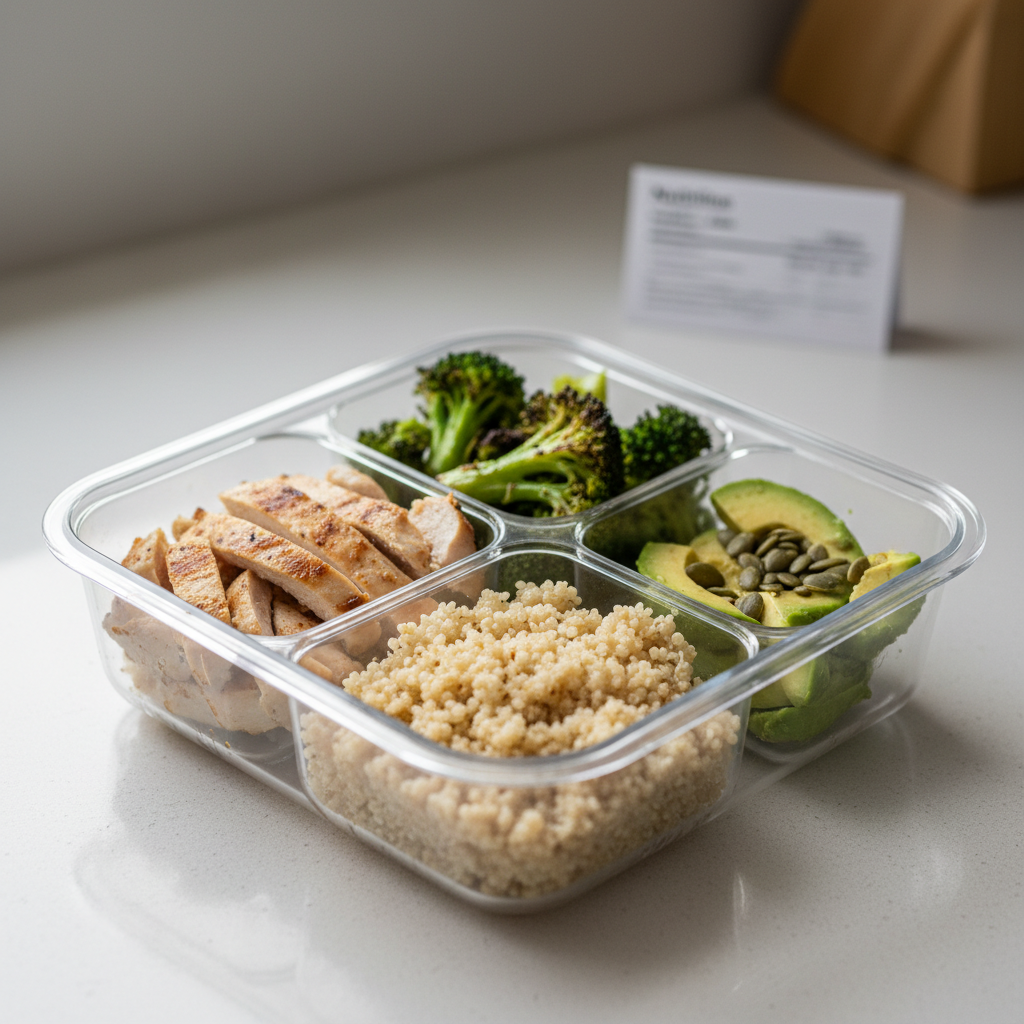
Adopting TRE involves choosing an eating window that suits your lifestyle. Common approaches include the 16/8 method, where you fast for 16 hours and eat within an 8-hour window. It's essential to maintain a balanced diet during your eating periods, focusing on whole foods, lean proteins, and healthy fats.
Here are some tips for getting started with TRE:
- Gradually adjust your eating window by delaying breakfast or having an earlier dinner.
- Stay hydrated with water, herbal teas, or black coffee during fasting hours.
- Listen to your body and adjust as needed, ensuring you get adequate nutrition.

Potential Challenges and Considerations
While TRE can be beneficial, it may not be suitable for everyone. Individuals with specific medical conditions or those who are pregnant or breastfeeding should consult healthcare professionals before starting TRE. Additionally, it may take time for your body to adjust to a new eating schedule.
Some people may experience initial hunger or fatigue, but these symptoms often subside as the body adapts. Monitoring your body's responses and making gradual adjustments can help ease the transition.
Conclusion
Time-Restricted Eating presents a promising approach to managing blood sugar and improving overall health. By aligning eating patterns with natural biological rhythms, TRE may offer a sustainable way to enhance metabolic function and reduce the risk of chronic diseases. As with any dietary change, it's crucial to consider personal health needs and consult with a healthcare provider for tailored advice.