Short Movement Breaks: A Potential Remedy for Desk-Work Discomfort?


Understanding the Impact of Desk Work
In today's modern workplace, sitting for extended periods has become the norm. While this may seem convenient, it often leads to discomfort and various health issues. From neck pain to lower back problems, the consequences of prolonged sitting can be significant.
Research has shown that sedentary behavior is linked to a multitude of health concerns, including obesity, cardiovascular disease, and diabetes. It's no wonder that office workers are seeking solutions to mitigate these risks.
The Benefits of Short Movement Breaks
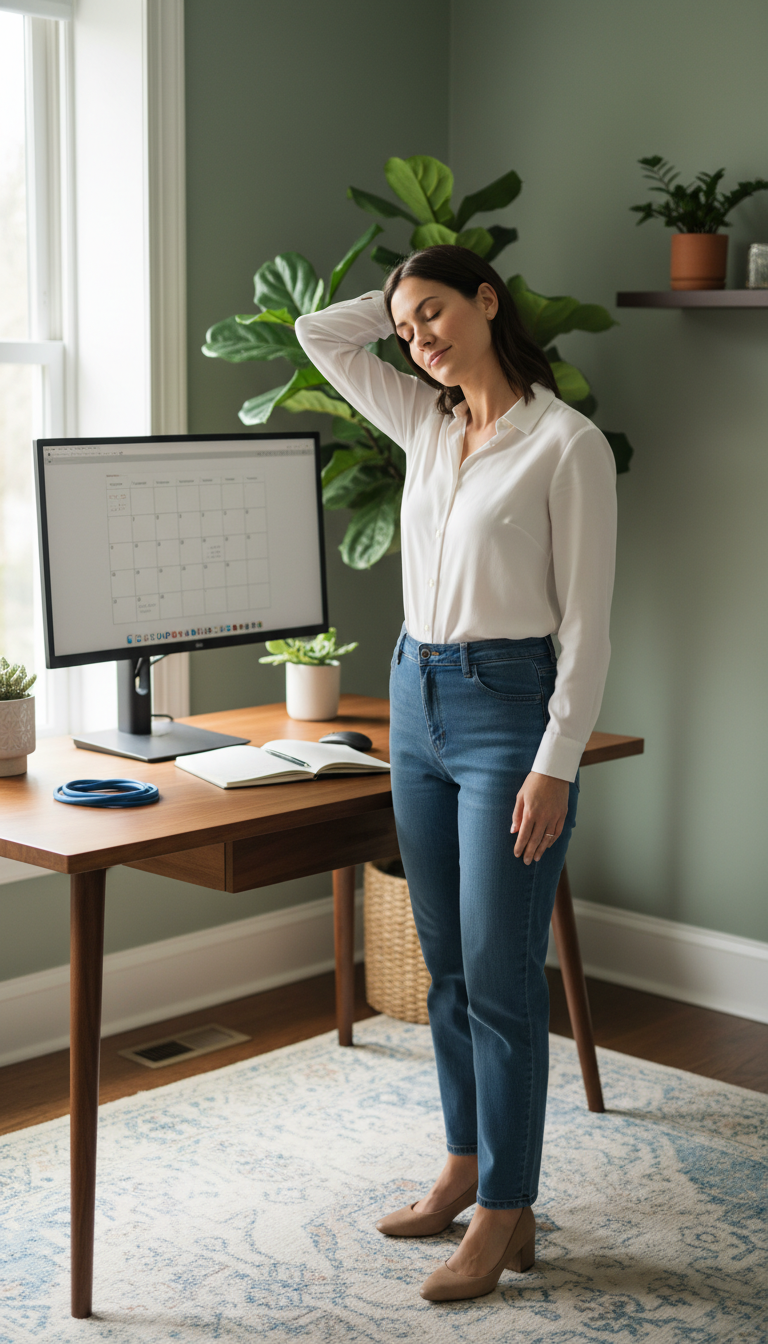
Incorporating short movement breaks into your daily routine can be a game-changer. These brief interludes not only alleviate physical discomfort but also boost mental well-being. Taking just a few minutes to walk, stretch, or perform simple exercises can make a noticeable difference.
According to experts, regular movement breaks can enhance circulation, reduce muscle stiffness, and improve posture. By breaking the cycle of prolonged sitting, you can significantly lower the risk of developing chronic conditions.
How to Implement Movement Breaks
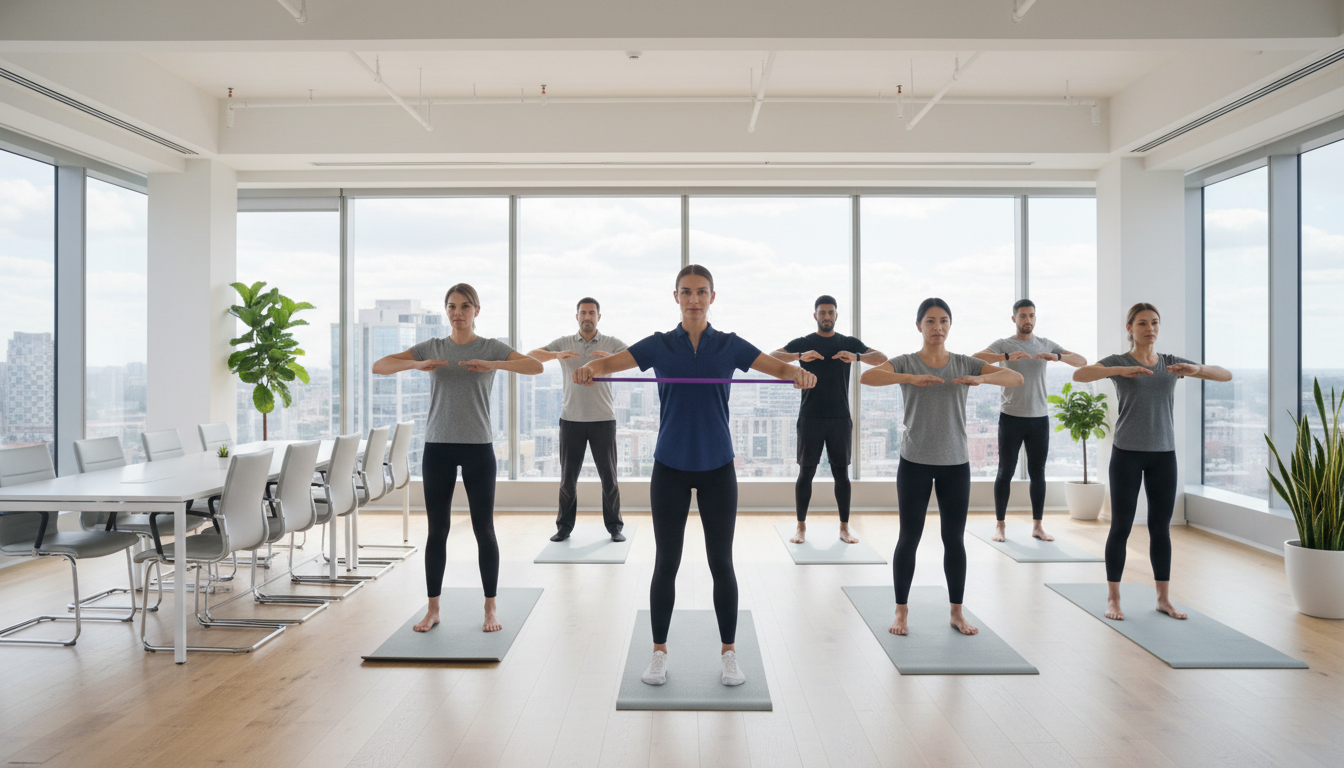
Integrating movement breaks into your workday is easier than you might think. Here are some practical tips to get started:
- Set a Timer: Use an alarm or app to remind you to move every 30 to 60 minutes.
- Stand Up: Simply standing and stretching for a few minutes can be beneficial.
- Desk Exercises: Perform small exercises like leg lifts or arm circles right at your desk.
- Walk and Talk: Take phone calls while walking to incorporate more steps into your day.
Overcoming Common Barriers
Despite the benefits, many people find it challenging to incorporate movement breaks into their daily routine. Common barriers include lack of time, forgetfulness, or feeling self-conscious. However, with a bit of planning and commitment, these obstacles can be overcome.
Creating a supportive work environment can also help. Encourage colleagues to join in, or propose a team challenge to make movement breaks a collective effort.

Technology to the Rescue
Leveraging technology can be an effective way to ensure you stick to your movement goals. Fitness trackers and mobile apps can provide reminders and track your progress. Many of these tools offer guided exercises that can be done anywhere, making it easier to stay active throughout the day.
By using these resources, maintaining a routine of regular movement breaks becomes more achievable and engaging.
Conclusion: Prioritizing Your Health
Incorporating short movement breaks into your workday is not just a remedy for discomfort; it's a proactive approach to better health. By prioritizing these breaks, you invest in your well-being and productivity.
Remember, small changes can lead to significant improvements. Start today and experience the positive impact of movement on your body and mind.